AI Search Optimization Guides
Practical guides to help you rank in Google, get extracted by answer engines, and get cited by AI.
-
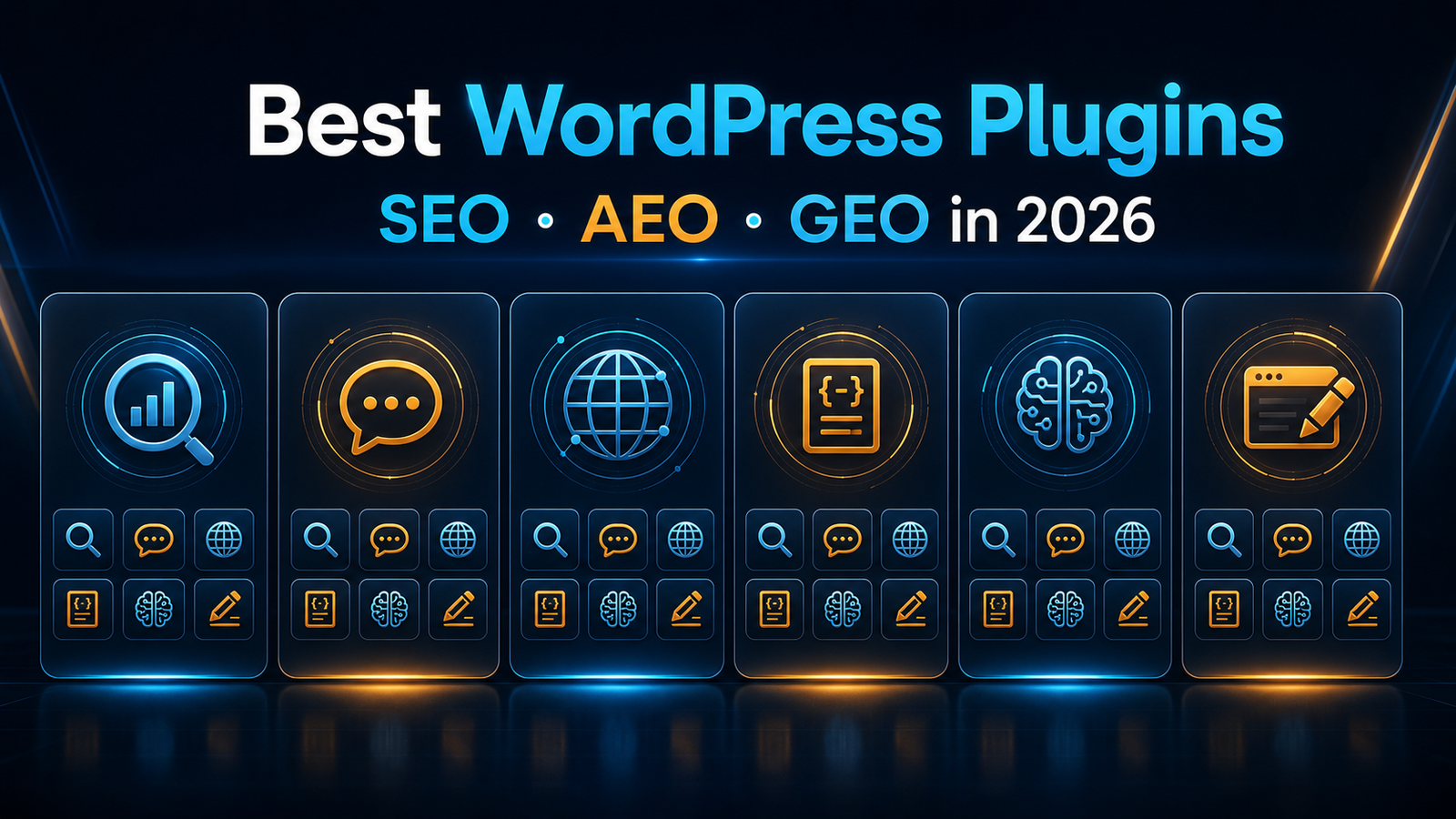
What are the Best WordPress Plugins for SEO, AEO, and GEO in 2026?
Best WordPress Plugins for SEO, AEO, and GEO are tools that help website owners improve traditional search visibility, answer readiness, and AI citation readiness from inside WordPress. There is no single best plugin for every website. Yoast SEO, Rank Math, AIOSEO, SEOPress, The SEO Framework, and Triomize each serve different needs. The right choice depends…
-
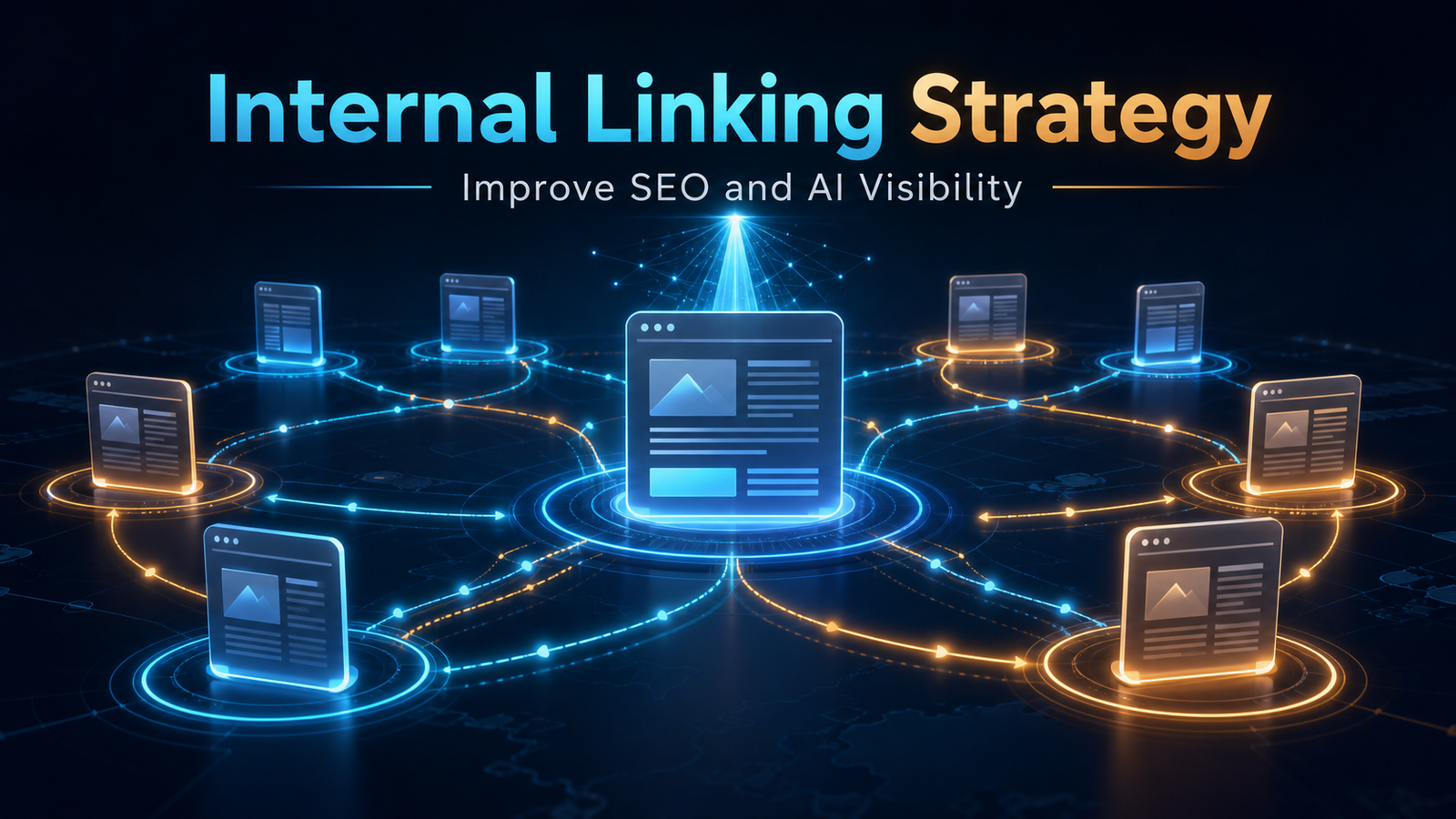
Does Internal Linking strategy Improve SEO and AI Search Visibility?
Internal linking strategy is the planned use of links between pages on the same website to help users, search engines, and AI systems discover important content and understand how topics connect. A strong internal linking structure supports crawlability, distributes authority, reduces orphan pages, strengthens topical relevance, and helps important pages sit closer to the site’s…
-
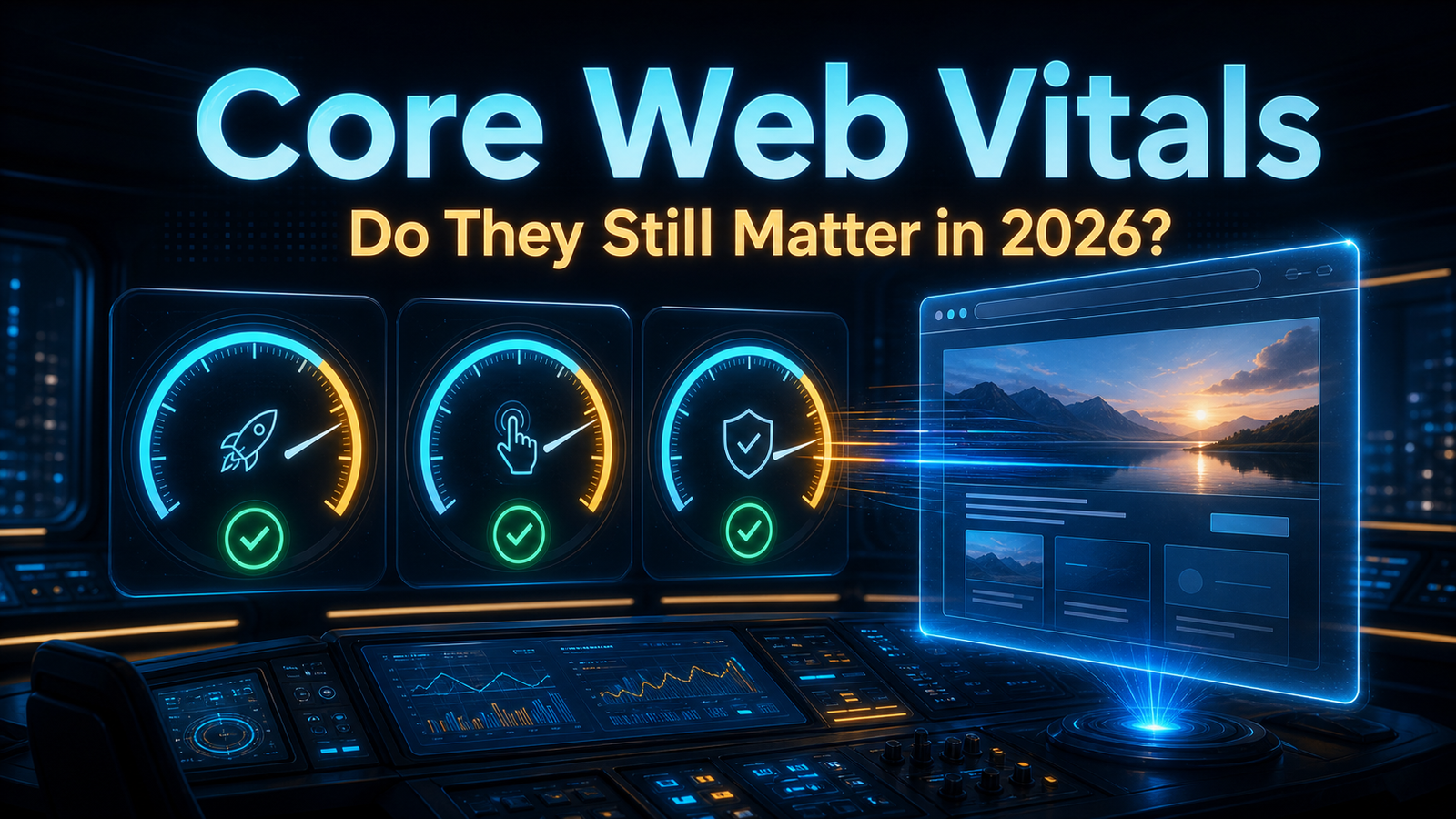
What Are Core Web Vitals and Do They Still Matter in 2026?
Core Web Vitals are Google’s user experience metrics for measuring loading performance, responsiveness, and visual stability. They remain part of Google’s page experience signals in 2026, but passing Core Web Vitals alone does not guarantee higher rankings. For website owners, the real goal is to provide a fast, responsive, and stable experience while maintaining strong…
-
What Is Zero Click Search, and How Can Your Website Still Get Traffic in 2026?
Zero Click Search is a search experience where the user gets enough information on the results page or inside an AI answer without clicking through to a website. It can happen through featured snippets, knowledge panels, Google AI Overviews, ChatGPT Search, Perplexity, Gemini, and other answer-led interfaces. Zero-click behavior does not mean SEO is dead.…
-
What Are the Most Important AI Search Ranking Factors in 2026?
AI Search Ranking Factors are the technical, content, authority, and trust signals that help AI-powered search systems decide which websites to retrieve, summarize, cite, or recommend. They include crawlability, indexing, structured data, entity clarity, EEAT, topical authority, freshness, source quality, internal links, answer formatting, and brand trust. These factors do not work like one fixed…
-
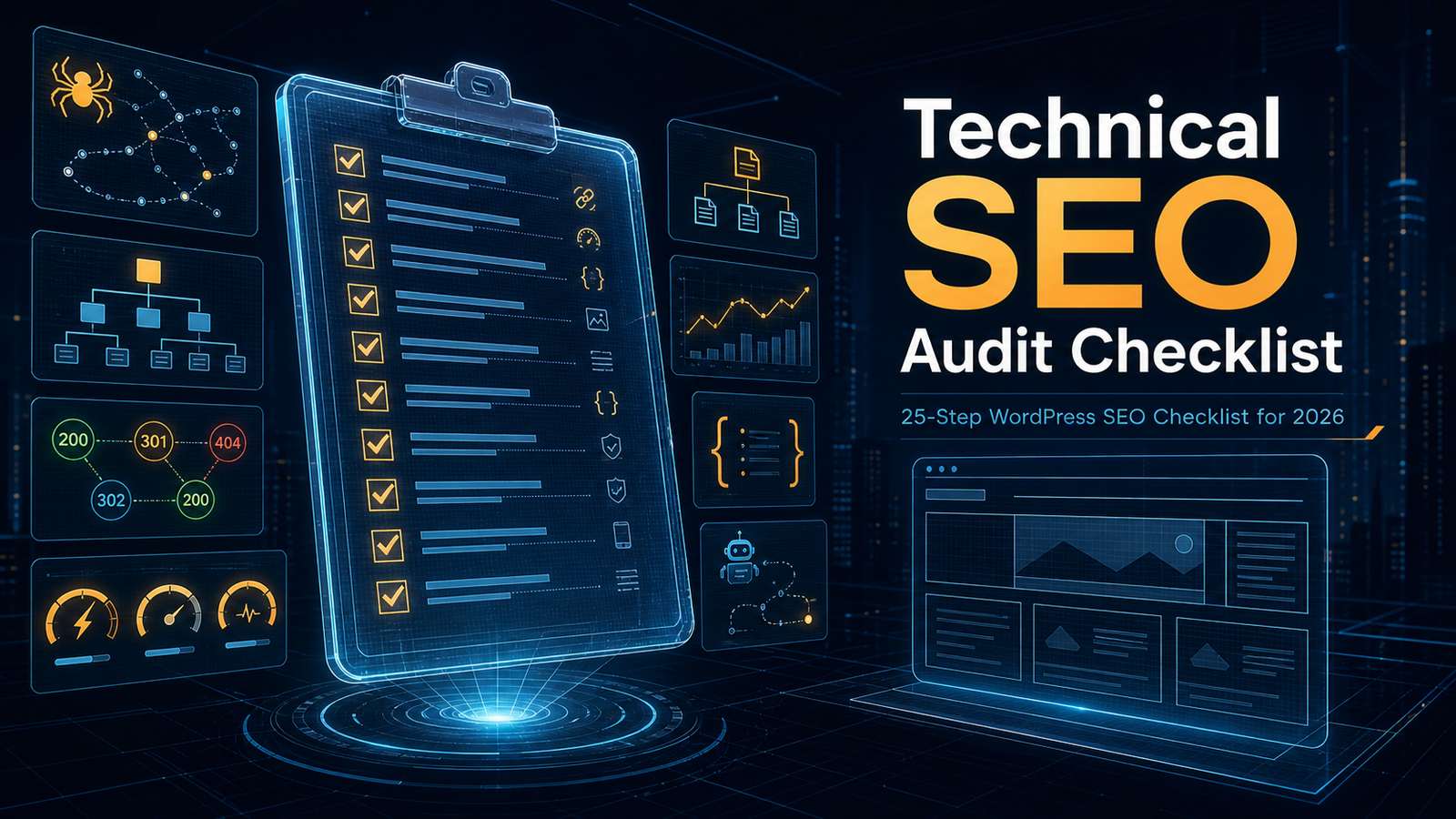
What Is a Technical SEO Audit Checklist for WordPress in 2026?
Technical SEO Audit Checklist is a structured process for finding and fixing website issues that prevent search engines and AI systems from crawling, indexing, understanding, and trusting your content. For WordPress sites, it covers robots.txt, XML sitemaps, canonicals, Core Web Vitals, schema markup, HTTP status codes, internal links, AI crawlers, security, and monitoring. Triomize helps…
-

EEAT for AI Search: How to Build Trust in the Age of AI?
EEAT for AI Search is the practice of proving experience, expertise, authoritativeness, and trustworthiness so search engines and AI systems can evaluate your content as credible. It is not a single technical setting or ranking score. It is a trust framework built through accurate content, transparent authorship, reliable sources, topical authority, entity clarity, and consistent…
-
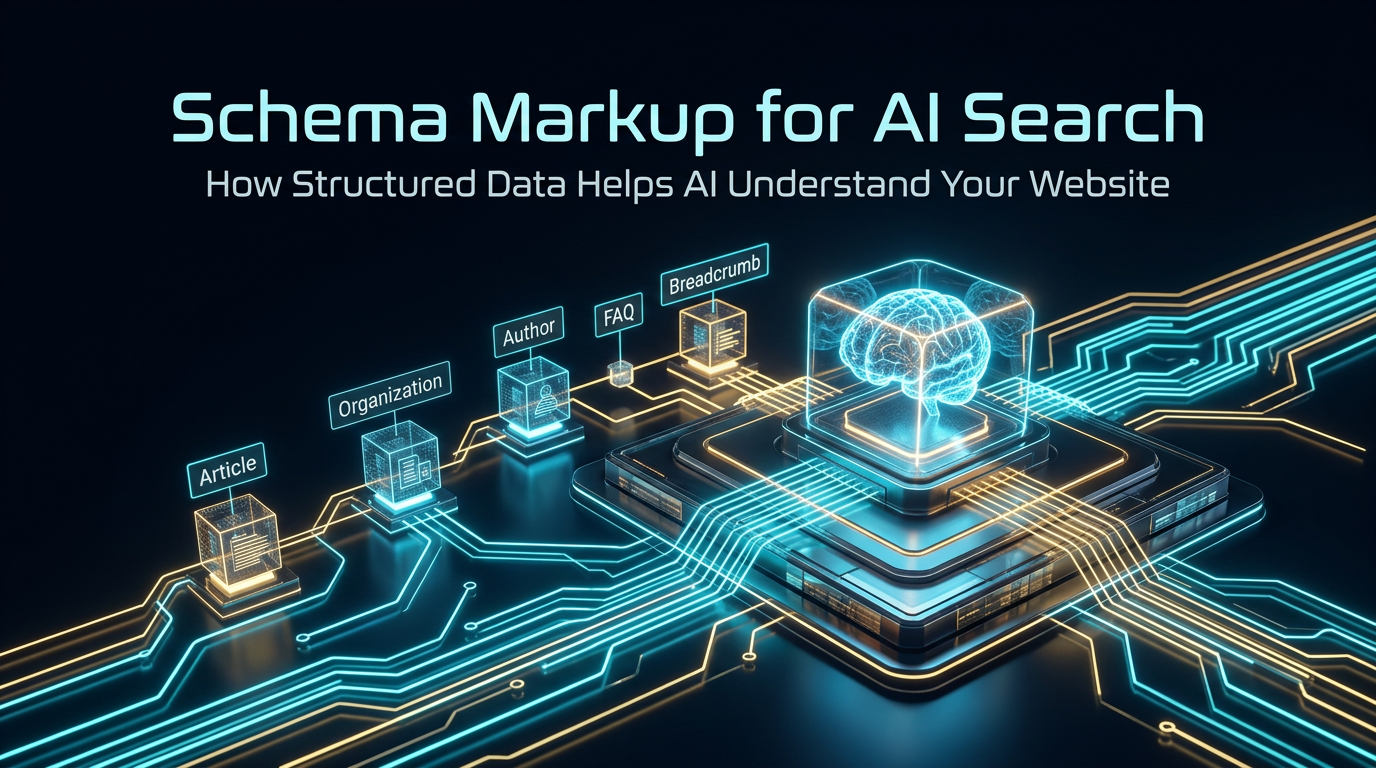
Schema Markup for AI Search: Does Structured Data Help AI Find Your Content?
Schema Markup for AI Search is the practice of adding structured data to web pages so search engines and AI systems can better understand content, entities, authors, organizations, breadcrumbs, and FAQs. Schema does not guarantee rankings, AI citations, or inclusion in Google AI Overviews. What it provides is clarity. When paired with helpful content, strong…
-

GEO vs SEO: What’s the Difference and Why You Need Both in 2026?
The main difference between GEO vs SEO is that Search Engine Optimization focuses on ranking web pages in traditional search engine results to capture organic link clicks, while Generative Engine Optimization focuses on earning direct brand citations and footnotes inside AI-generated answers from platforms like ChatGPT, Perplexity, and Google AI Overviews. Table of Contents GEO…
-

AEO vs SEO: What’s the Difference and Why You Need Both in 2026?
AEO vs SEO is one of the most misunderstood debates in search this year. SEO is the practice of getting your page ranked in search results. AEO, or Answer Engine Optimization, is the practice of getting the answer on your page pulled out of it and displayed directly as the result. Both matter in 2026,…